
Fire & EMS operational readiness intelligence
See system pressure before it becomes call volume.
PosturePoint Agency translates weather, planned events, road disruption, infrastructure conditions and other external pressures into role-aware readiness actions for Fire and EMS command, battalion, fleet, logistics and field teams.
Demand watchHeat window 1400–2200High-confidence weather signal
Role-aware impact5 teams affectedChief • Battalion • Fleet • Logistics • Field
Agency
PosturePoint Agency is a Fire and EMS operational-readiness intelligence service that turns external conditions into role-specific preparedness actions before they become avoidable staffing, coverage, fleet or logistics problems.
A forward-looking operating layer
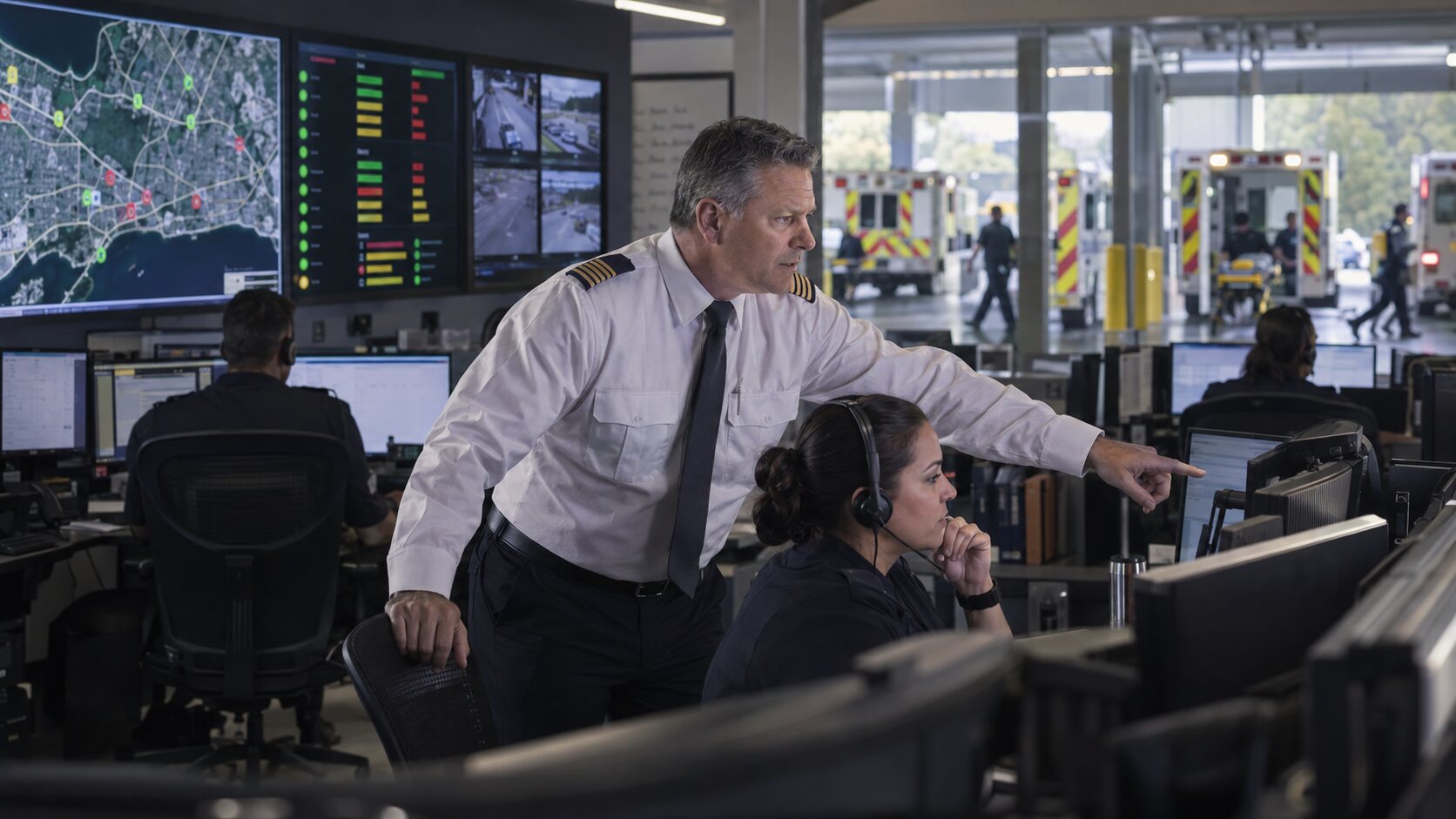
CAD tells you what is happening now. Agency helps you prepare for what may stress the system next.
CAD remains essential for active incidents and dispatch. PosturePoint Agency addresses a different problem: conditions outside the agency that can change demand, access, staffing requirements, fleet readiness or resource posture before the queue starts growing.
Mass gatherings, sports, festivals and planned civic activity
Road work, closures, traffic and infrastructure disruption
Strikes, hospital impacts and service interruptions
High-profile trials, demonstrations and major public events
Conditions that change staffing, rehab, fleet or logistics decisions
Operational posturePrepare before peak demand
Translate the same external event into the decision owned by each role.
Role-aware readiness
The same event should not look the same to everyone.
A heat advisory matters to the Chief, Battalion, Fleet, Logistics and crews for different reasons. Agency keeps the underlying event consistent while changing the operational implication by role.
Chief / Duty Officer
Consider +1 ALS unit 1400–2200 based on predicted demand pressure and heat exposure.
Executive-level readiness: staffing posture, system pressure, major events and operational tradeoffs.
Illustrative guidance — agency policy and command judgment remain authoritative.Predict • Prepare • Protect
Readiness starts before the dispatch screen fills up.
Agency is designed to create specific preparation windows rather than generic alerts. The point is to give the right owner enough lead time to do something useful.
- ✓Upstaffing windows
Give command a defined period to consider additional unit-hours when conditions justify it.
- ✓Fleet readiness
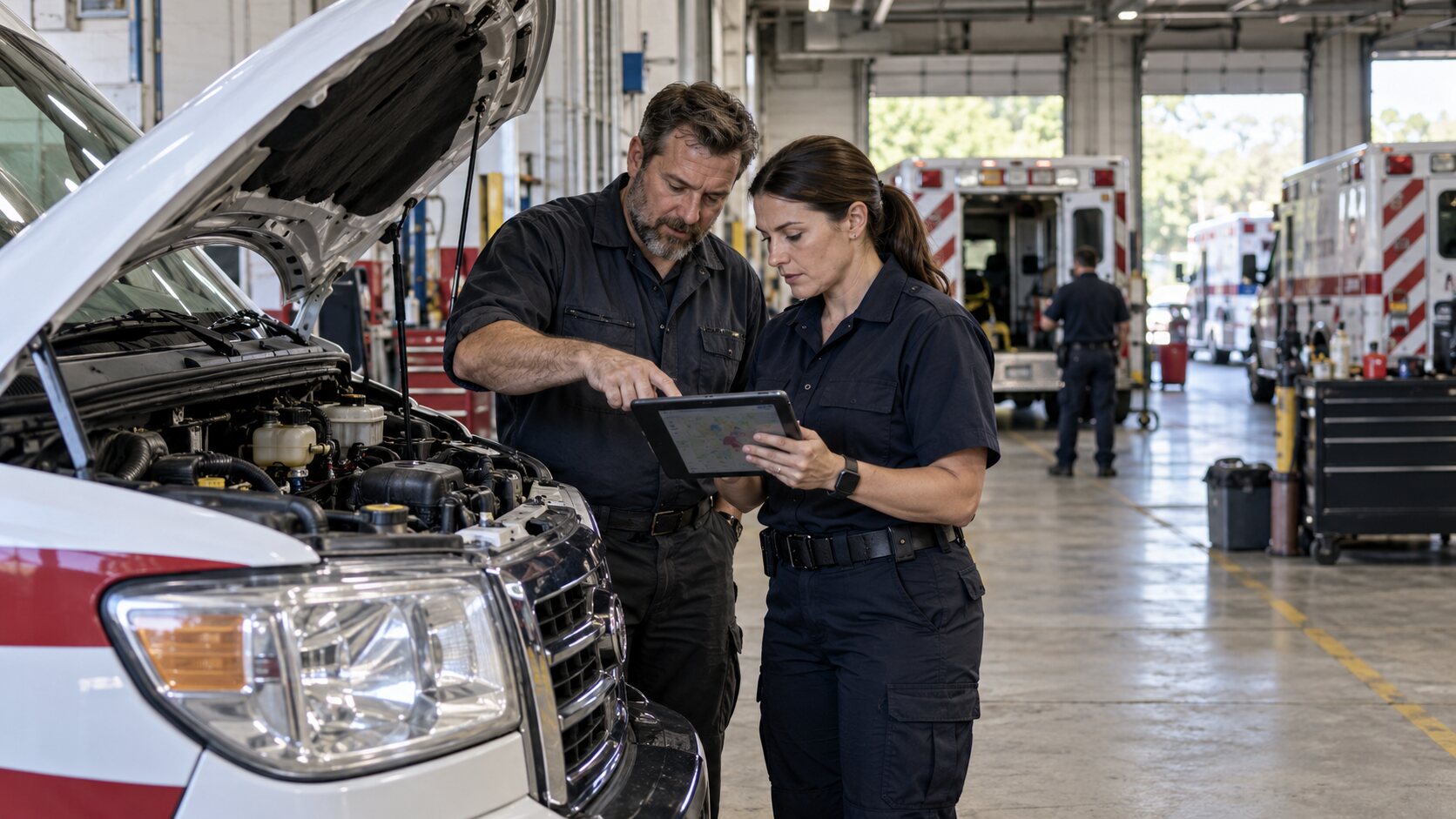
Surface relevant vehicle defects or capability gaps before heat, weather or demand makes them consequential.
- ✓Logistics staging
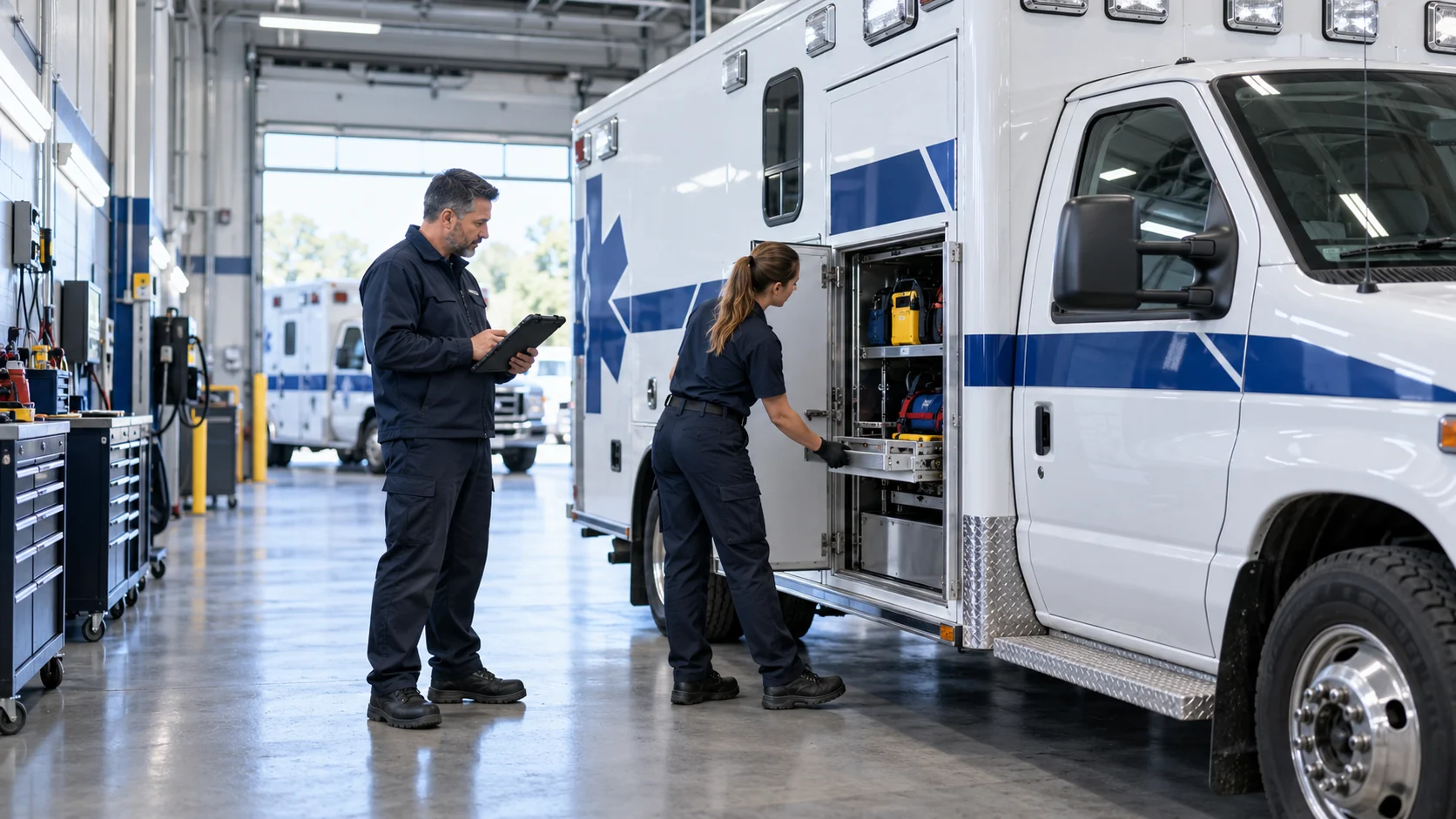
Move water, rehab supplies, generators or other support before peak need.
- ✓Field guidance
Keep crews informed without forcing them to read the entire executive operating picture.
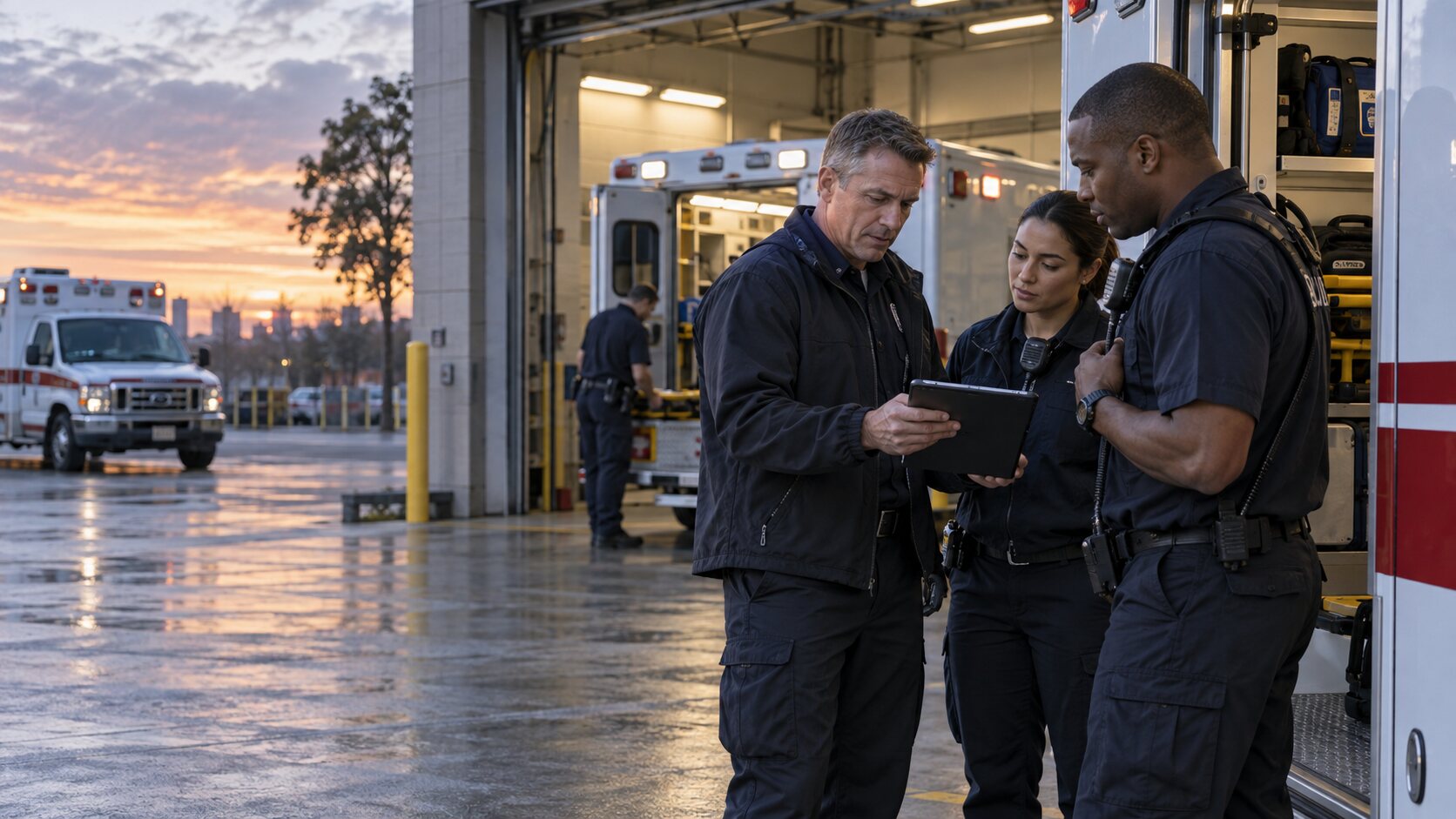
Illustrative operating scenarios
External pressure becomes a command problem when timing, geography and capability overlap.
Temperature and event load overlap peak demand.
Chief: consider added ALS capacity. Fleet: verify A/C readiness. Logistics: stage chilled water and rehab supplies.
A primary corridor constricts access across two districts.
Operations: review posting and coverage. Field: surface access constraints. Command: watch response-time exposure.
A high-attendance event creates a predictable demand and access window.
Duty officer: align coverage. Battalion: review staging. Fleet/logistics: verify reserve and support readiness.
PosturePoint Agency vs. GAGE
Two different intelligence problems. Do not mash them together.
PosturePoint Agency focuses on the external operating environment: weather, events, infrastructure and other conditions that may change readiness. GAGE focuses on internal and cross-system EMS agency intelligence across supported operational, workforce, clinical, fleet, billing and other data.
Explore GAGE for EMSPosturePoint AgencyOutside-in
What is changing around the agency and what posture should change before pressure arrives?
GAGEInside-out
What do the agency's own systems reveal about performance, readiness and cross-system relationships?
PosturePoint Agency FAQ
Operational readiness without pretending the forecast is a dispatch order.
What is PosturePoint Agency?
PosturePoint Agency is an operational readiness intelligence platform for Fire and EMS agencies. It translates external conditions into role-aware actions for command, battalion, fleet, logistics and field teams.
What kinds of events can PosturePoint Agency help agencies prepare for?
Examples include extreme heat, storms, high-wind events, large public gatherings, strikes, major road work, infrastructure disruption, high-profile civic events and other conditions that can affect demand, access, staffing or readiness.
Does PosturePoint Agency replace CAD?
No. CAD remains the operational system for active incidents and dispatch. PosturePoint Agency adds a forward-looking readiness layer focused on external conditions before they become system pressure.
How is PosturePoint Agency different from GAGE?
PosturePoint Agency focuses on external operating conditions and readiness. GAGE focuses on connecting and analyzing an EMS agency's internal and cross-system data. They are separate products with complementary roles.
Bring your own operating model
Show us your service area. We will show you where Agency fits.
The useful conversation is about your units, roles, geography, known pressure points and what currently surprises command staff.